Explore the Complete Offerings Provided by CGCs in the Construction Field.
Commercial general contractors are crucial in the construction industry, offering a range of services that cover every stage of a project. Their skill set covers from early design and planning to efficient project oversight and compliance with safety regulations. Hickory top rated Commercial General Contractor. By coordinating various subcontractors and maintaining high quality, they aim to meet both budget limits and timelines. This thorough approach brings up key points about the impact of their strategies on successful projects and client satisfaction
Understanding the Role of CGCs
Although the construction industry encompasses a number of functions, commercial general contractors (CGCs) are fundamentally important in managing and controlling construction projects. They are tasked with ensuring that projects comply with design specs, budgets, and deadlines. General contractors organize subcontractors, like carpenters, plumbers, and electricians, to make sure that all aspects of the construction process are executed seamlessly.
Additionally, they are tasked with getting the necessary licenses and making certain they comply with local regulations and building codes. This role requires a deep understanding of construction practices, as well as effective leadership and communication abilities. CGCs act as the primary point of contact for clients, resolving problems and offering progress reports throughout the project’s duration. Their ability to navigate challenges while preserving quality levels is essential to the successful completion of commercial building projects, thereby enhancing the efficiency and effectiveness of the industry as a whole.
Coordination and Project Management

Coordination and project oversight are critical components for the project success overseen by commercial general contractors. Strong communication methods, methods for resource distribution, and timeline management practices are crucial in making sure projects are delivered on time and within financial limits - Hickory top rated Commercial General Contractor. By mastering these elements, contractors can improve teamwork among stakeholders and maximize project results
Strong Communication Methods
Efficient communication methods play an essential role in the success of construction projects, as they ensure that all stakeholders are in agreement and aware throughout the process. Clear channels of communication foster collaboration among architects, engineers, subcontractors, and clients, guaranteeing all parties know project requirements and schedules. Scheduled check-ins and status updates aid in spotting potential problems quickly, enabling quick fixes. Employing contemporary communication methods, for example, PM software and smartphone applications, boosts data dissemination and keeps everyone connected. In addition, promoting a habit of transparent communication motivates suggestions and increases clarity, which often results in better choices. Finally, successful communication approaches help streamline project implementation and enhanced party contentment in the construction industry.
Strategies for Allocating Resources
Resource allocation techniques are essential for the smooth delivery of building projects, guaranteeing resources, workforce, and machinery are employed productively. Effective resource allocation involves evaluating project requirements and coordinating them with accessible assets, which assists in cutting down waste and improving efficiency. General contractors employ various strategies, such as prioritizing tasks based on urgency and resource availability, to distribute resources efficiently. Additionally, employing software tools for tracking resource use improves choices and flexibility. Regular evaluations of resource allocation assist in recognizing forthcoming obstacles and opportunities for enhancement, facilitating prompt modifications. By utilizing these strategies, GPs can keep projects moving forward, regulate spending, and ultimately achieve project goals according to the defined limits.
Techniques for Timeline Adherence
Managing timelines in construction requires meticulous planning and coordination to guarantee that each phase of the project progresses smoothly. Commercial general contractors utilize various timeline management practices to boost productivity and guarantee prompt project delivery. These strategies encompass preparing specific schedules, leveraging project tracking technology, and performing routine advancement evaluations. Through establishing precise due dates and benchmarks, GPs can capably watch advancements and address potential delays promptly. Furthermore, they set up communication guidelines connecting subcontractors, vendors, and stakeholders to facilitate information flow and steer clear of errors. Forward-looking hazard control methods further support schedule compliance, allowing for adjustments in response to unforeseen challenges. Finally, proper deadline oversight is vital for achieving project goals and preserving customer contentment in the competitive construction industry.
Design and Pre-Construction Services
Design and planning services are key aspects of the construction process, emphasizing efficient concept development approaches. These strategies help guarantee that project goals align with practical execution, while architectural coordination processes facilitate seamless collaboration among stakeholders. By focusing on these components, commercial general contractors are able to improve project results and efficiency.
Strategies for Concept Development
The success of a construction project often frequently depends on its initial vision, successful concept development approaches are crucial for transforming ideas into actionable plans. Such methods require a systematic approach including in-depth research, stakeholder engagement, and feasibility assessments. By working closely with clients and stakeholders, commercial general contractors can identify project goals and constraints in the initial stages. This partnership promotes innovation while ensuring alignment with budgetary constraints and regulatory needs. Additionally, visualizations and prototypes can be used to refine concepts, making adjustments possible before significant investments are made. Finally, effective concept development strategies not only streamline the shift from vision to reality and also minimize potential problems, establishing the foundation for a successful construction project.
Architectural Coordination Processes
Effective architectural coordination processes are vital to the successful execution of construction projects. These processes involve meticulous collaboration among architects, engineers, and contractors to guarantee that design intentions are accurately translated into tangible structures. Commercial general contractors are key players in facilitating communication and aligning project goals. They manage the integration of various design elements, handling potential issues early in the planning phase. Such a proactive method reduces costly rework and delays, leading to a smoother workflow. Furthermore, strong architectural coordination guarantees adherence to local regulations and building codes, boosting project success. By simplifying design revisions and optimizing resource allocation, these efforts help improve the overall efficiency and quality of construction outcomes, providing projects that satisfy client expectations and standards.
Controlling Finances and Budgeting
Financial control and budgeting are vital aspects of successful construction projects, guaranteeing that resources are used efficiently and expenditures do not exceed established limits. General contractors are fundamental in this aspect by carefully crafting financial plans that encompass the entirety of the project, including materials, labor, and unforeseen contingencies. Their skill set facilitates reliable projections, which is key to preventing budget excesses and ensuring fiscal soundness.
Beyond this, general contractors implement rigorous financial monitoring throughout the project lifecycle. Spending is tracked against the allocated funds, making necessary adjustments to funding to address modifications to the scope or unexpected expenses. This forward-thinking approach ensures the project remains financially sound but also promotes open dialogue with stakeholders regarding budgetary status. By providing thorough reports and frequent status checks, general contractors ensure everyone is kept up-to-date, thus building confidence and partnership throughout the construction process.
Quality Control and Safety Compliance
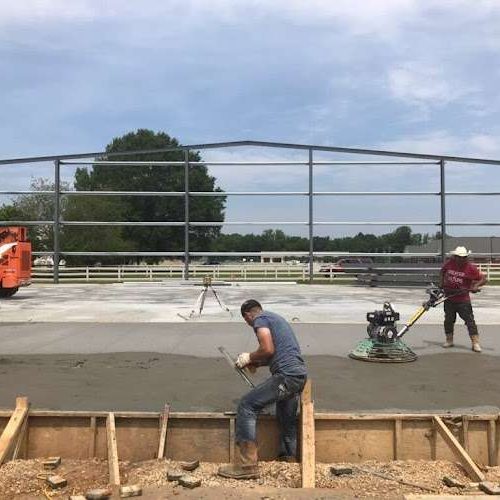
Quality control and safety compliance are critical concerns in the construction industry, making certain projects adhere to defined benchmarks while preserving the health and security of all workers involved. Commercial general contractors implement strict quality assurance protocols by carrying out frequent site reviews, see the full story testing materials, and verifying adherence to specifications. Such measures assist in spotting problems soon, cutting down on costly fixes and setbacks.
Adhering to safety rules is just as vital; contractors follow OSHA guidelines and industry best practices to maintain a protected workplace. This includes providing proper training, personal protective equipment, and ensuring open dialogue regarding safety protocols.
Support and Services After Construction
Once construction is completed, commercial general contractors deliver crucial support after completion to make certain the facility performs as expected. Such offerings usually feature thorough inspections to confirm adherence to requirements and local regulations. The general contractor often handles warranty administration, dealing with defects that surface after the project handover.
Additionally, they offer maintenance services, aiding clients in preserving the structure to extend its useful life and assure functionality. Instructional classes for personnel regarding systems and machinery can also be provided to enhance operational efficiency.
Moreover, general contractors often help with project closeout documentation, ensuring that all relevant information is organized and ready for consultation. This continued assistance builds a long-term connection between contractors and clients, promoting confidence and contentment while promoting accountability in the construction process. In general, post-construction services are crucial in the project's future viability.
Frequently Asked Questions
What Types of Projects Do Commercial General Contractors Usually Manage?
Commercial general contractors typically handle a diverse range of developments, including office buildings, shopping centers, industrial facilities, medical facilities, schools and universities, and housing developments, making sure every job adheres to industry standards and owner demands with competence.
What is the Process for Selecting the Right Commercial General Contractor for My Development?
In order to select the ideal CGT, one should evaluate their experience, verify recommendations, determine their economic reliability, look at completed jobs, and mandate open discussion concerning deadlines and budgets for effective project management.
What Obstacles That Arise During Development?
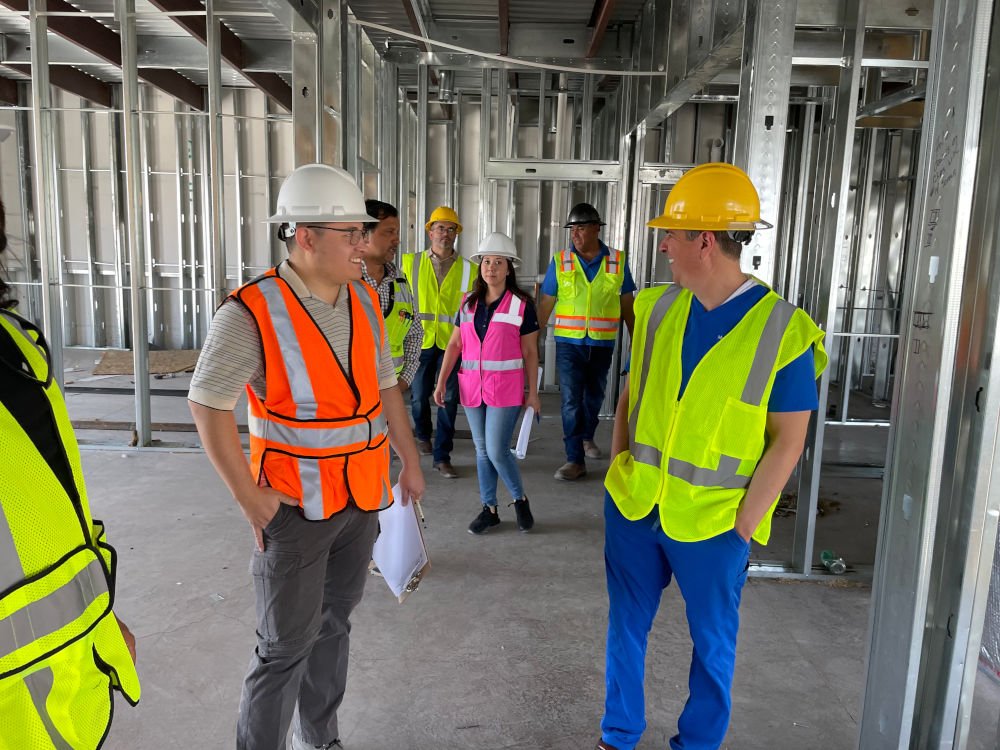
Typical difficulties encountered during building work involve exceeding the budget, timeline setbacks, lack of skilled workers, regulatory compliance, unforeseen ground issues, and communication issues between involved parties. Such difficulties typically impede the building process and may result in higher expenses and extended schedules.
How Do Builders Guarantee Adherence With Local Building Codes?
Builders ensure adherence with local building codes by meticulously examining the statutes, conducting regular inspections, working closely with municipal bodies, and keeping meticulous records from start to finish to reduce potential hazards and follow security protocols.
What Coverage or Safeguards Are Firms Expected to Give Once the Job is Finished?
Firms commonly issue assurances for the quality of the build, with durations ranging from 1 to 10 years. Warranties usually entail fixing flaws, ensuring clients receive verified quality and peace of mind post-project completion.